
The Itinerary
17 days of castles, ferries, fairy pools & Highland drives.
The Route
Edinburgh → Oban → Skye → Inverness → Edinburgh · ~1,200 miles · tap any pin or timeline day.
Where We Stay
Four Airbnbs and a final-night hotel in Edinburgh.
Payment Schedule
All amounts in CAD · split across 4 families.
Driving in Scotland
First-time-here cheat sheet · signs to recognise, single-track etiquette, and the laws to know.
Apple CalendarGoogle Calendar iPhone: tap Apple Calendar → Subscribe — alerts are built in. Android: tap Google Calendar → Add, then once on calendar.google.com → Settings → Scotland Drive Plan → Event notifications, add 45 min and 15 min (Google skips a feed's built-in alerts). Other apps: download the .ics.
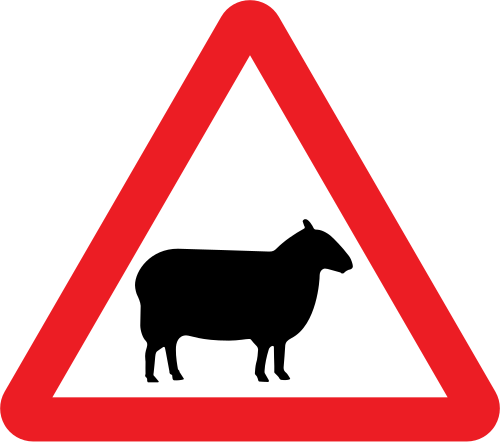
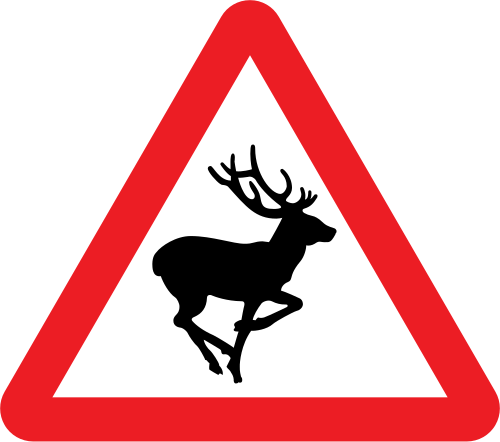
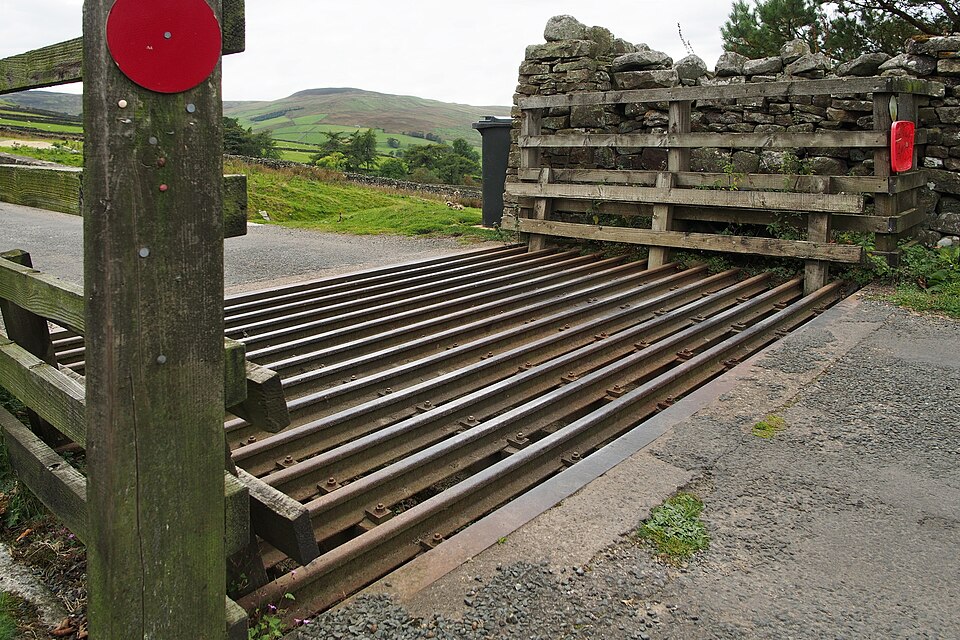
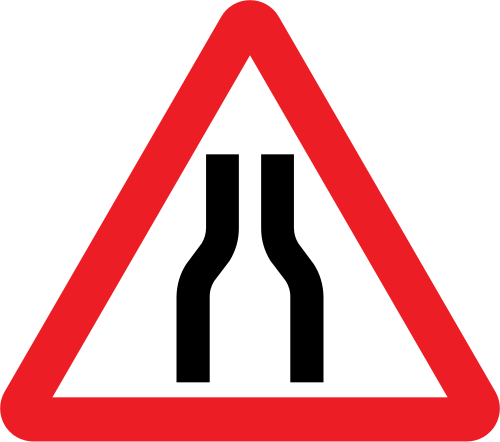
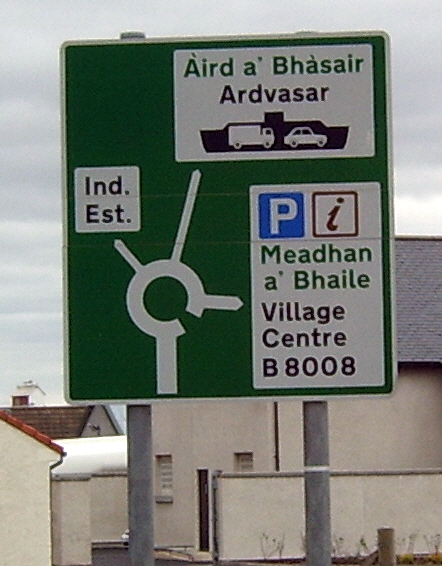
Road signs to know
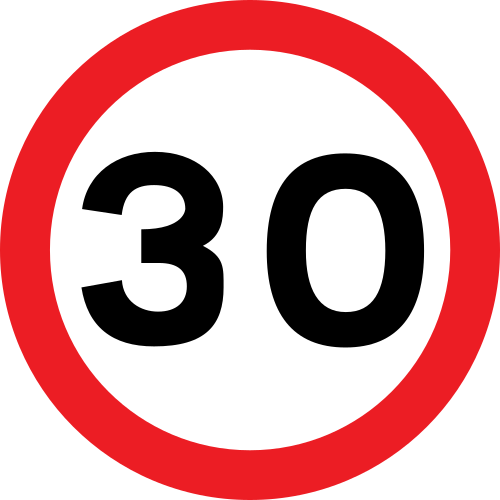

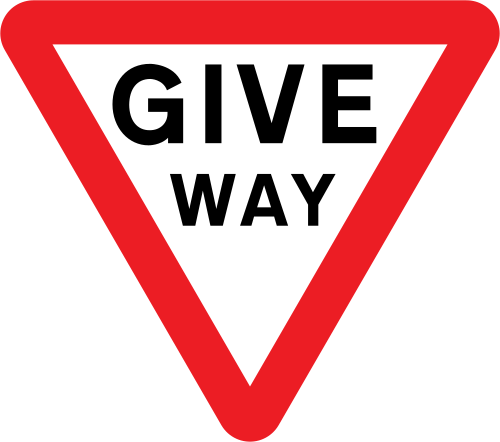

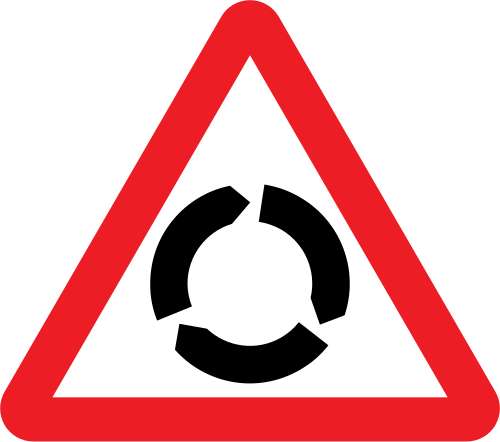
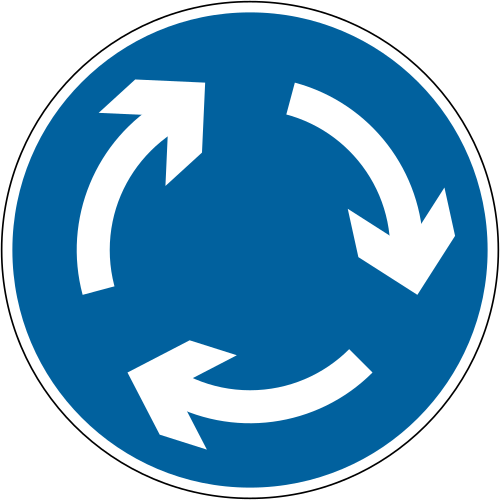
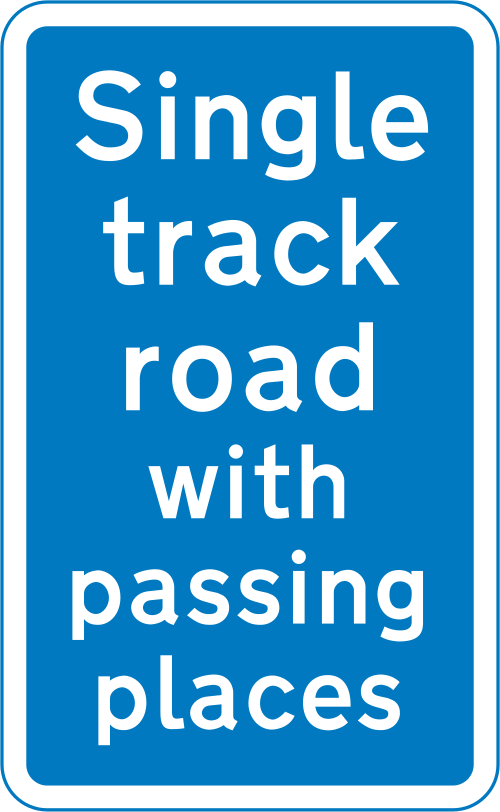
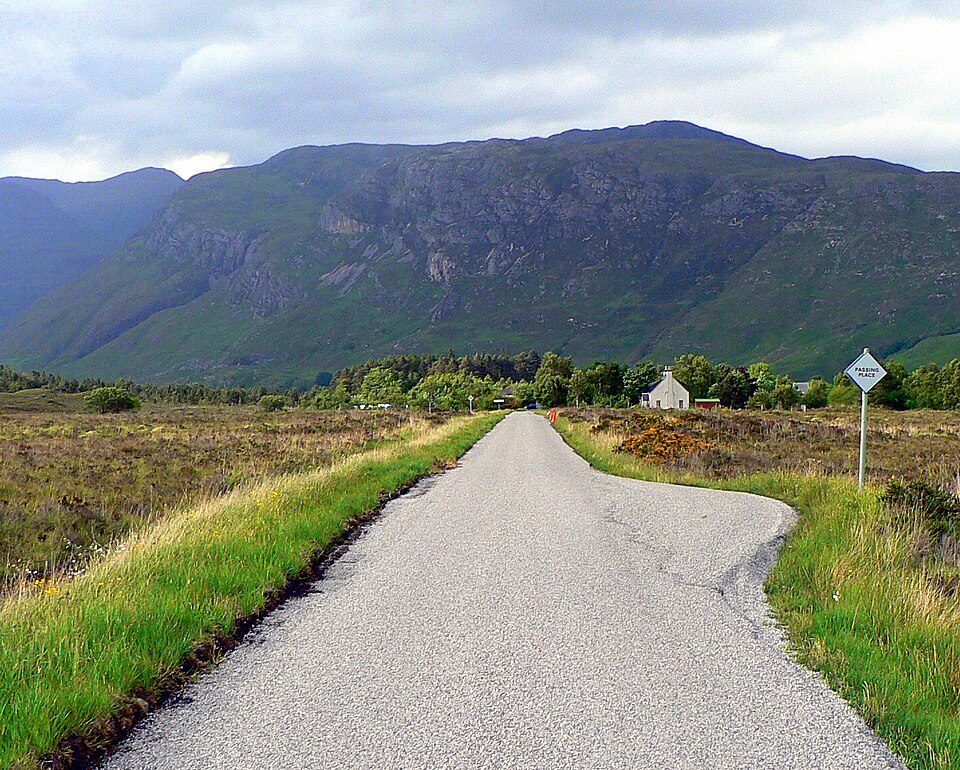
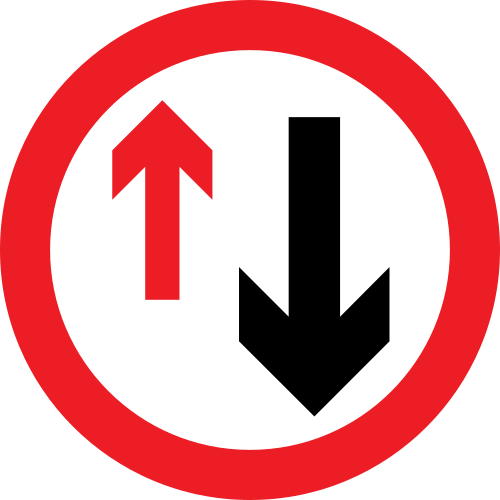
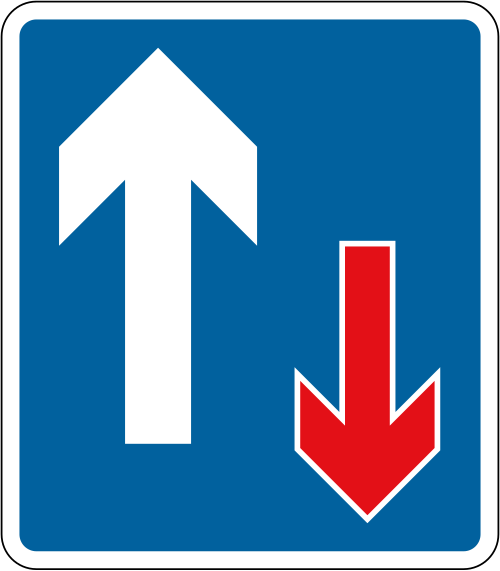
The five must-knows
-
Drive on the LEFT. Keep left, overtake on the right. Pulling out of a parking space or junction, look RIGHT first, then LEFT, then right again. Mirrors are reversed — interior mirror is on YOUR LEFT.
-
Roundabouts: yield to the right. Vehicles already in the roundabout (coming from your RIGHT) have priority. Enter when there's a safe gap. Signal LEFT when you're about to exit. Mini-roundabouts work the same way.
-
Single-track: passing places, not parking. If a vehicle approaches from the opposite direction, the one nearest a passing place uses it — pull in on the LEFT. If the nearest passing place is on your RIGHT, stop opposite it on the left so the oncoming car can pull into it. Never block a passing place by parking.
-
Distances in miles, fuel in litres, speed in mph. Your hire car speedometer is calibrated in mph. Maps and road signs are in miles. 60 mph = 96 km/h. Fuel pumps sell in litres, prices in pence — divide by 100 for £/litre.
-
The wave / quick flash means "thanks." When someone pulls in to let you pass on a single-track, a small hand-raise (or a quick flash of your hazards) is the universal Highland thank-you. Returning the wave keeps the local rhythm going.
Single-track roads — the Highland skill
- Spot passing places early. They're roughly every 200 m on the worst stretches. The diamond sign is your friend.
- The one closest to a passing place pulls in. Always on the LEFT side of the road. If the passing place is on your right, stop opposite it — the other driver pulls in.
- Reverse if you must. If you've passed the last passing place behind you, you back up to it. Yes, you. It's the Highland code.
- Don't crowd. Hang well back from the car in front — gives room for both cars to pull in safely if traffic appears.
- Let locals overtake. If a faster car (often a delivery van or a farmer's Land Rover) catches up, pull in and wave them past. Don't race the local.
- Tourists in a coach. Highland tour buses can't reverse easily — give them the priority and pull in early.
- Skye and the West Coast are the worst. Plan 25–30 mph average on B-roads regardless of the posted 60.
Roundabouts (different from North America)
- Yield to your RIGHT — vehicles already in the roundabout. Approach slowly enough to be ready to stop.
- Pick your lane on approach: left lane for first exit (turning "left" / clockwise), right lane for last exit (turning "right" / counter-clockwise), middle lanes for straight-through.
- Signal LEFT just before your exit. Don't signal right unless you're going to a later exit and want to communicate it.
- Multi-lane roundabouts: follow the painted lane markings. Big ones often have lane diagrams painted on the approach road.
- Mini-roundabouts are real roundabouts, not painted decoration. Same rules — yield right.
Speed limits (miles per hour)
| Road type | Cars / SUVs | Note |
|---|---|---|
| Built-up area (street lights) | 30 | Even if no sign is posted |
| Single-carriageway (most A & B-roads) | 60 | National speed limit sign |
| Dual carriageway | 70 | Two lanes each way + central reservation |
| Motorway (M-prefix) | 70 | Mostly south of Glasgow/Edinburgh |
| Variable / signed limit | posted | Roadworks, school zones |
- Speed cameras on the A9 are real. Yellow housings, no decoys. Average-speed cameras between Perth and Inverness compare your timing between two points.
- Don't trust the limit on B-roads. Sixty mph is the legal max, not a target. Drive to the road — most single-tracks max out at 30–40 mph for safety.
Practical day-to-day tips
- Fill the tank at every Highland chance. Stations close early (often 18:00–20:00) and are sparse on Skye and west of the Great Glen. Skye fuel: Broadford, Portree, Sligachan, Carbost.
- Check petrol vs diesel before you fuel — Enterprise will tell you on pickup. Mis-fuelling a diesel SUV with petrol is a £500+ repair.
- Headlights on in rain or mist. Even with daytime running lights, switch to full dipped beams when visibility drops. Locals expect to see you.
- Right turns cross oncoming traffic. Opposite of North America. Wait for a real gap, and don't drift into the right lane mid-turn.
- Parking: pay-and-display in towns, free in rural laybys. Use the RingGo app for many town car parks. Yellow lines = no parking (double = anytime, single = check the small print).
- Don't stop on the verge. Highland verges are often soft peat — easy to sink an SUV. Use marked laybys only.
- Weather flips fast. 18 °C sun → driving rain in 20 minutes. Wipers on auto, lights on, slow down.
- Roads are narrow. Mirror your SUV well in — wing mirrors take the most damage. Hedgerows and stone walls are unforgiving.
Laws & safety (Scotland-specific)
- Alcohol limit: 50 mg per 100 ml blood. Roughly one drink for an average adult. This is lower than England (80) and lower than most of North America. Safest plan: zero before driving.
- No handheld mobile phones while driving — illegal. Hands-free / Bluetooth only. £200 fine + 6 points.
- Seatbelts mandatory for every occupant. Driver is legally responsible for under-14 passengers.
- Child seats required for kids under 12 years or under 135 cm tall. Confirm with Enterprise on pickup that the seats fit your kids.
- Drive on the left even in empty car parks. Habits matter — locals coming the other way expect it.
- Emergency: dial 999 (police / ambulance / fire / mountain rescue) or 112 from a mobile. No charge from any phone.
Highland routes you'll actually drive
- A82 (Glasgow → Fort William → Inverness) — main artery on the west. Two-lane, scenic, slow behind coaches. The Loch Lomond and Glen Coe stretches are stunning but stop-prone.
- A85 (Stirling → Oban) — your Day-5 drive. Two-lane all the way, twisty after Crianlarich. Plan a fuel stop in Tyndrum.
- A830 (Fort William → Mallaig, "Road to the Isles") — Day 10. Two-lane, drops to single-track in places. The Jacobite train runs alongside.
- A87 (Skye Bridge → Portree → Uig) — main road on Skye. Mostly two-lane, but every spur road (B884 to Glendale, B8083 to Carbost, single-track to Neist) is single-track with passing places.
- A9 (Inverness → Perth → Edinburgh) — Day 17. Mix of dual carriageway and single. Average-speed cameras between Perth and Inverness — stay legal the whole length.
Safety & Emergencies
Tap-to-call numbers for Scotland, Canadian consular help, insurance notes, and Highland precautions for late June to early July.
Tap-to-call now
Mountain, coast, and text emergencies
Mountain Rescue: dial 999, ask for Police, then ask for Mountain Rescue.
Oban and Skye coast: dial 999 and ask for Coastguard.
emergencySMS: if you cannot speak or calls are unreliable, text 999. It only works after registration: text the word register to 999 before you need it.
Stay connected - Life360
We are all in one Life360 Circle so every family can see each other across Scotland. Get the app first - it is the one-tap part:
- 1. Install Life360 and open it.
- 2. Create an account with your phone number and email.
- 3. Join our Circle with the invite code Corryn posts in the family chat. Tap the link in her message and it opens Life360 straight to the join screen.
Codes refresh about every 3 days for security, so Corryn shares a fresh one when we set up - ideally the night before we fly or at the first stay, so it covers the travel days.
Heads up: a "share my location" link is view-only and temporary - it does not add you to the Circle. Use the invite code to join.
Life360 needs mobile data to update, so it can lag in Highland and Skye deadspots. Treat it as a bonus on top of the 999 and what3words steps, not a replacement.
For Corryn: in Life360 tap Add a person, then Send Code, and share it into the family WhatsApp - everyone taps that link to join in one step.
Canadian consular help
Global Affairs Canada - 24/7 Emergency Watch and Response Centre
Call collect where available: +1 613 996 8885. SMS: +1 613 686 3658. Email: sos@international.gc.ca.
High Commission of Canada to the United Kingdom
Canada House, Trafalgar Square, London SW1Y 5BJ. Main phone: +44 20 7004 6000.
Register with Registration of Canadians Abroad before departure or early in the trip.
Keep a photo or offline copy of every passport and insurance card in case one is lost or your phone has no data.
Health and insurance for Canadians
Travel medical insurance is essential
Canada is not covered by the UK's listed non-EU reciprocal healthcare agreements, so you have no automatic free NHS cover. Treatment in A&E (casualty) is free for everyone, but once you are admitted as an inpatient or registered as an outpatient, overseas visitors can be charged for that care. Travel medical insurance is essential.
Call 111 for urgent non-emergency care in Scotland; call 999 for immediate danger or serious illness/injury.
Check your policy covers hospital admission, any relevant pre-existing conditions, and medical evacuation/repatriation back to Canada.
Once filled in, save each 24-hour assistance number in your phone Contacts so it can be tapped to call directly.
Bring prescription medicines in original packaging with a copy of the prescription. Pharmacies are often called chemists; larger towns may have late-opening chemists, but Highland hours vary, so check opening times before driving.
Before you leave Wi-Fi
Set these up while you still have signal:
- Cache this site for offline: open this page on Wi-Fi and leave it open until the footer shows “✓ Offline ready” — then every tab, photo, and map pin works without signal.
- Add to home screen: in Safari tap Share → “Add to Home Screen” (Android: Chrome menu → “Add to Home screen”) so the app opens full-screen like a regular app.
- Install Life360 and join our Circle — steps are in the “Stay connected” card above.
- Register emergencySMS: text register to 999 and follow the reply.
- Install what3words and register with Registration of Canadians Abroad.
- Save 999, NHS 24 (111), Global Affairs Canada, and each household's insurer to your phone Contacts.
- Before hill or coastal days, check the Met Office forecast and agree a return time with another adult — signal is patchy in the Highlands and on Skye.
Highlands and outdoor precautions
- Weather changes fast, even in summer. Pack waterproofs and layers, and check the Met Office mountain forecast before hills or exposed walks.
- Hillwalking and Munros: tell someone your route and expected return, carry an OS map and compass, and do not rely on mobile signal in the Highlands or on Skye.
- what3words: the app/site gives a three-word location. If calling 999, tell the operator your what3words address so they can locate you faster.
- Water: lochs and sea can trigger cold-water shock even in summer, and currents can be strong. Keep children close and call 999 rather than entering the water for a rescue.
- Midges: late June to early July is peak midge season on the west coast and islands. Pack repellent such as Smidge or Avon Skin So Soft, plus head nets. Worst times are dawn/dusk, still air, woodland, and water edges.
- Ticks: check skin, scalps, socks, and waistbands after walks through long grass, bracken, or undergrowth. Remove ticks promptly with a tick tool or fine tweezers. Get medical advice for a spreading bullseye-style rash, fever, headache, stiff neck, tiredness, or muscle and joint aches in the days/weeks after a bite.
- Long daylight: cool or cloudy weather can still burn. Use sunscreen, hats, and water on long outdoor days.
- Wildlife: risk is low. The adder is Scotland's only venomous snake; it is generally shy, so leave it alone and keep children from poking heather or undergrowth.
- Roads and breakdowns: use the Driving tab for road laws, single-track etiquette, and emergency road notes.
Notes & Tips
Things to know, book early, or watch for.